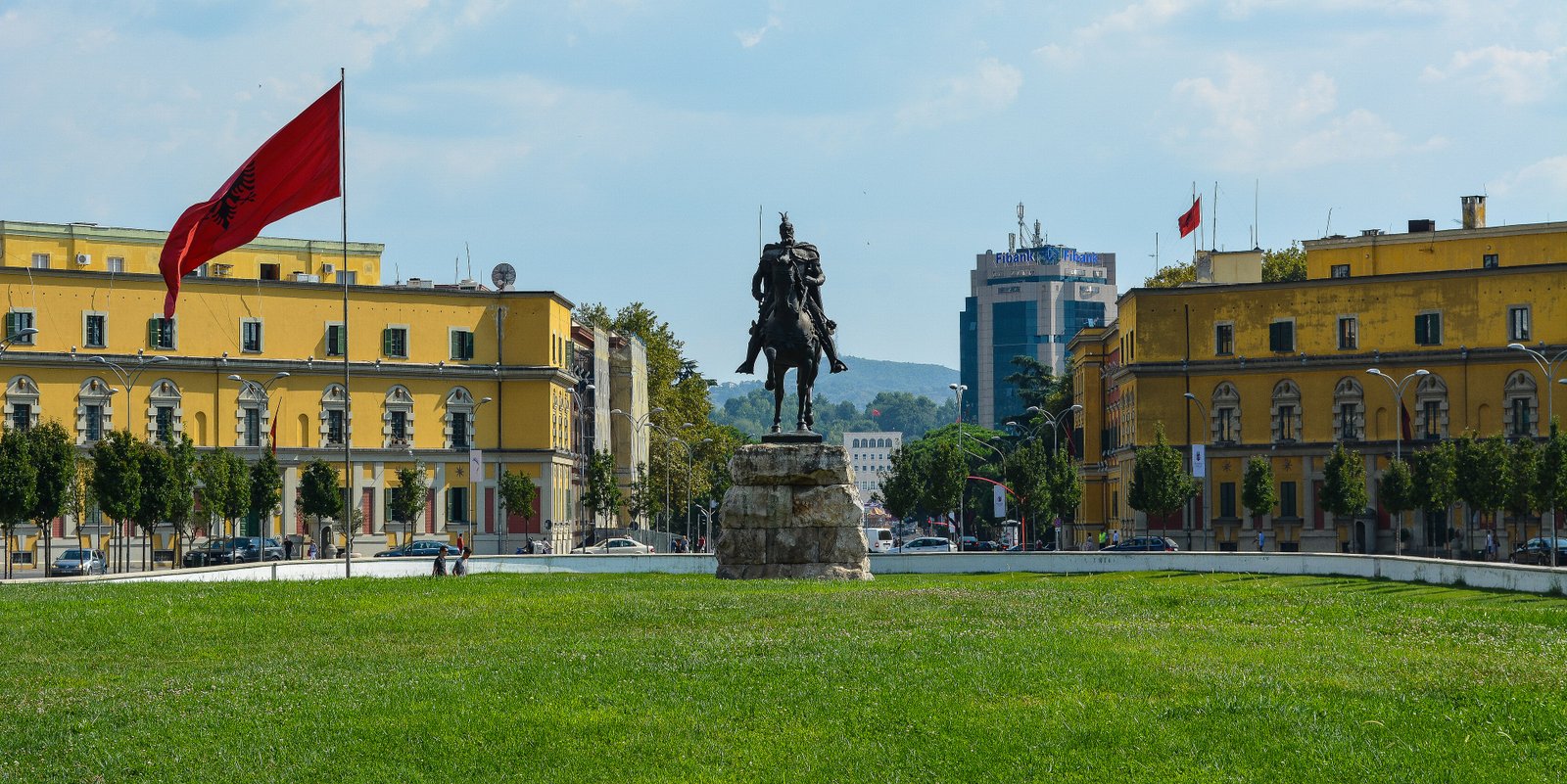
The story of Blloku is one of the more striking urban transformations in post-communist Europe. For four decades under Enver Hoxha's regime, this tree-lined quarter in central Tirana was hermetically sealed — a residential preserve for the nomenklatura, the senior party officials and their families who lived, ate, and moved in a parallel city within the city. Ordinary Albanians could not enter. Police checkpoints enforced the boundary. In 1991, as communism collapsed and the fences came down, Blloku opened overnight. Within a decade it had become Tirana's most energetic neighbourhood. Today, with its dense concentration of coffee shops, restaurants, bars, and boutiques, it is the place where Tirana's considerable appetite for the good life plays out most visibly.

Getting oriented
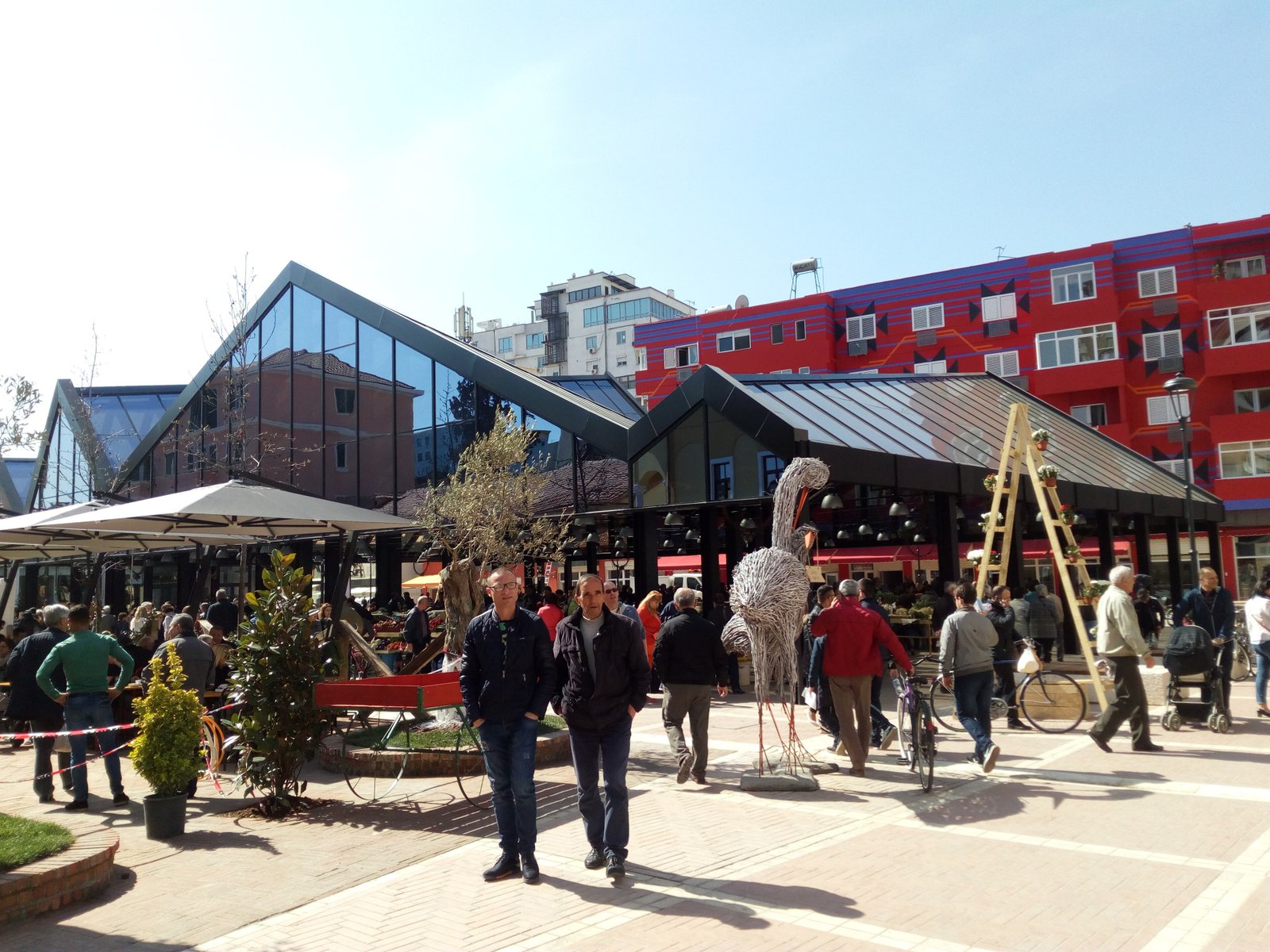
Blloku is centred on Rruga Ismail Qemali and the web of streets around it, roughly bordered by Bulevardi Dëshmorët e Kombit to the east and Rruga Themistokli Gërmenji to the north. It is a compact, walkable area — you can cross it end to end on foot in about ten minutes — and that density is part of what makes it so lively. Tables spill onto pavements, music drifts out of open doorways, and at any time of day a significant portion of Tirana's population seems to be sitting in one of the cafés with a small glass of espresso and a long conversation ahead of them.
From Skanderbeg Square — Tirana's central piazza, framed by the Et'hem Bey Mosque, the clock tower (Kulla e Sahatit), and the National History Museum with its spectacular socialist realist mosaic — Blloku is a ten-minute walk south-west along the boulevard. The route passes the Pyramid of Tirana, Enver Hoxha's former mausoleum, which has been repurposed as a cultural hub and is now one of the most photographed buildings in the country.
The coffee culture
To understand Blloku, you need to understand what coffee means in Albania. Albanians drink, by some estimates, three to five coffees per day, and the ritual is social in a way that cannot be reduced to caffeine delivery. A coffee in Blloku is a minimum 45-minute affair: you sit down, the waiter brings a small espresso and often a glass of water, and you talk, watch the street, read the news, or simply do nothing in particular. To rush a Blloku coffee is to fundamentally misunderstand the point of it.
Mulliri i Vjeter (The Old Mill) is among the most beloved coffee addresses in the neighbourhood — a multi-level space that always seems to have a queue for outdoor seats regardless of the hour. Komiteti on Rruga Pjetër Bogdani is another favourite: the interior is decorated with communist-era memorabilia, old posters, and salvaged objects from the Hoxha period, giving it the atmosphere of a very well-curated museum that also serves excellent coffee. Radio Bar and Hemingway Bar both attract a mixed crowd of locals and expats throughout the day.
Restaurants
The food scene in Blloku has expanded considerably in the last five years. The neighbourhood now offers convincing Italian, Japanese, and various international options alongside the traditional Albanian restaurants that formed its original dining landscape. A few highlights worth seeking out:
Era Restaurant on Rruga Ismail Qemali is one of Tirana's most consistently rated dining rooms — traditional Albanian cuisine executed with real care, in a setting that moves easily from lunch to late-night bar. The lamb dishes are particularly good. Petite Ourse offers a more European bistro feel, with strong wine selections and a kitchen that takes its produce seriously. For Albanian fast food done properly, Kolonat — the country's homegrown fast-food chain — is a sociological experience as much as a meal: order the pule (chicken) sandwich and observe the cross-section of Tirana life that passes through at lunchtime.
Budget for a sit-down lunch in Blloku at around 600–900 ALL per person including a soft drink; dinner at a mid-range restaurant will run 1,000–1,500 ALL per person with a glass of wine. These prices are very low by Western European standards, and the quality-to-cost ratio is genuinely exceptional.
Blloku: neighbourhood map
The schematic below shows the main streets and the approximate location of key venues by category. All venues are within a short walk of each other.
Bars and nightlife
Blloku comes into its own after dark. The neighbourhood's density means there is rarely any need to plan a specific itinerary — you simply walk, let the sound guide you, and end up somewhere interesting. A few venues that have established themselves as anchors of the scene:
Base Albania is the Blloku rooftop club that most consistently draws the city's mixed crowd of young locals, expats, and visitors — the combination of views over the city, good sound, and an outdoor terrace that stays warm late into summer evenings makes it a reliable option. Sky Tower, in the glass tower to the east of Blloku proper, offers something different: drinks and food at altitude, with views across the whole Tirana basin and towards the surrounding mountains. Not cheap by Albanian standards but worth it for an occasion. Era transitions smoothly from restaurant to late bar as the evening progresses — the garden fills up after 22:00.
Street seating is ubiquitous. On warm evenings the Blloku pavements are essentially one continuous outdoor event — tables from different establishments run into each other, the music blends, and the whole neighbourhood feels like one very large and well-run garden party. This is not something that can be manufactured; it is simply what Blloku is.

The xhiro tradition
One of the most distinctly Albanian urban experiences is the xhiro — the evening promenade. As the day cools, families, couples, groups of friends, and solitary walkers take to the main boulevard and the Blloku streets for a slow, purposeless walk. There is no particular destination; the point is the walking itself, the seeing and being seen, the pausing to greet someone you know, the unhurried circuit repeated two or three times. The best time to experience the xhiro is from 18:00 to 20:30 on Bulevardi Dëshmorët e Kombit and the main streets of Blloku. Join in — there is no barrier to entry, no ticket required, and it is one of the warmest and most human things a city can do with its evenings.
Price guide
What to see nearby
Blloku sits within easy walking distance of some of Tirana's most significant landmarks. Skanderbeg Square — named for Albania's national hero, the 15th-century warrior Gjergj Kastrioti who resisted the Ottoman expansion — is the city's main public space and the site of the Et'hem Bey Mosque, one of Tirana's oldest and most beautiful buildings, which somehow survived Hoxha's campaign of forced atheism in the 1960s. The Kulla e Sahatit (Clock Tower) beside the mosque can be climbed for rooftop views over the square. The National History Museum at the northern end of the square houses Albania's most comprehensive collection of archaeological and historical artefacts and deserves at least two hours.
The Pyramid of Tirana — built in 1988 as Enver Hoxha's mausoleum and later repurposed repeatedly, most recently as a youth tech and culture centre — stands just at the northern edge of Blloku. You can climb the concrete slopes of the exterior for a view over the neighbourhood below. Whether you find this moving or surreal or both is a personal matter, but it is an experience unique to Tirana.
When to visit
Blloku operates year-round — it is not a seasonal phenomenon. The coffee shops are full in winter, the restaurants are busy in spring. That said, the neighbourhood is at its most magical in the warmer months, from April through October, when outdoor seating spreads across every pavement and the xhiro fills the boulevards at dusk. The best time of day is evenings from 18:00 onwards for the full experience — cafés busy, restaurants buzzing, the street scene in full swing. Come earlier (morning, midday) if you want a quieter coffee and a chance to read or work undisturbed.
Find the best restaurants in Tirana
Browse verified restaurants, cafés, and bars in Tirana on Directory Albania.
Browse Tirana restaurants →